Source TFT Display Room Air Sensor for HVAC, Greenhouse, and Lab Use
Find and compare 30 TFT Display Room Air Sensor options featuring resistive sensing, RS485 communication, and IP-rated probes. Evaluate specifications like ±3%Rh humidity accuracy and -40℃ to +80℃ temperature ranges for industrial and commercial applications.
Key considerations
Products List
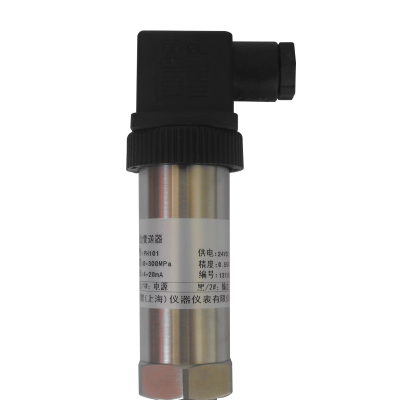


Precision Temperature and Humidity Sensor for Effective Machine Room Control
$2500.00 - $2600.00
MOQ: 1 Pieces


Comprehensive Sourcing Guide
TFT Display Room Air Sensor Sourcing Guide
The integration of TFT display technology with room air sensors represents a critical convergence in modern building management and industrial monitoring systems. Buyers seeking these components must navigate a market where the visual interface, often utilizing FSTN or CSTN display technologies, is paired with high-precision resistive sensing capabilities. The core functionality relies on the sensor's ability to measure temperature and humidity within specific operational ranges, such as -40°C to +80°C for probes and -30°C to 80°C for general measurement, while delivering data through digital output signals. This combination allows for real-time visualization of environmental conditions, making it essential for applications requiring immediate feedback on air quality and thermal stability.
Procurement decisions for these devices hinge on understanding the specific display and sensing architectures available, as the market offers a mix of static drive LCD modules and advanced TFT configurations. The observed product landscape includes models designed for duct-type installations, which necessitate robust waterproofing and specific IP ratings to ensure longevity in varying environmental conditions. Buyers must distinguish between single-item units and bulk packaging options, as the supply chain often varies between standard box packaging and specialized bulk quantities like 500-unit packs, directly impacting logistics and inventory planning for large-scale deployments.
Product Scope and Observed Listing Signals
The current market for TFT display room air sensors reveals a diverse range of product models, from the RS-WS series to various BBI and EMS identifiers, each catering to different integration needs. Listings indicate a strong presence of products originating from Shandong, China, with a significant portion of the supply chain centered in this region. The observed product scope includes units with varying communication protocols, such as RS485 and Ethernet, alongside proprietary protocols, suggesting that buyers must carefully match the sensor's communication interface with their existing control systems to ensure seamless data transmission.
Listing signals also highlight the variability in customization options, with some suppliers offering fully customized solutions while others provide non-customized, standard configurations. The presence of OEM and ODM capabilities indicates that manufacturers are prepared to adapt these sensors for specific branding or functional requirements, yet buyers must verify the extent of these customizations before committing to a contract. Furthermore, the distinction between different display types, such as IPS viewing angles versus standard TN or STN matrices, serves as a key differentiator in product selection, influencing visibility and readability in various lighting conditions.
Technical Specifications to Verify
When evaluating the technical performance of these sensors, the accuracy of temperature and humidity readings is paramount, with observed specifications citing tolerances of ±0.5°C and ±3%Rh under standard conditions. Buyers must verify that the probe measurement range aligns with their specific operational environment, ensuring the device can withstand the full spectrum of expected temperatures and humidity levels without degradation. The response time of 3ms is a critical metric for dynamic environments where rapid changes in air conditions must be captured and displayed instantly on the TFT screen.
The physical and electrical characteristics of the display module also require rigorous verification, particularly regarding the drive mode and backlighting technology. Static drive LCD modules and FSTN/CSTN display technologies offer different trade-offs in power consumption and visibility, while the LED backlighting, often utilizing small straw hat LEDs with power consumption under 0.3W, impacts the overall energy efficiency of the unit. Additionally, the touch screen type, such as Surface Acoustic Wave, and the specific model numbers like BBI20213935 or EMS-2600, must be cross-referenced with the intended application to ensure compatibility with the user interface requirements.
Compliance and Safety Documentation
Regulatory compliance is a non-negotiable aspect of sourcing TFT display room air sensors, with CE certification appearing as a standard requirement in the observed market data. Buyers must ensure that the specific model they intend to purchase carries the necessary certifications, including ISO standards where applicable, to guarantee that the product meets international safety and quality benchmarks. The presence of certifications like FCC and ROHS further indicates adherence to electromagnetic compatibility and environmental restrictions, which are essential for deploying these devices in commercial and industrial settings across different regions.
Safety documentation must also address the physical durability and environmental resistance of the sensor, particularly regarding its IP rating and waterproof capabilities. The observed listings mention waterproof features and specific IP ratings, which are critical for installations in ducts or areas prone to moisture exposure. Procurement teams should request detailed test reports and compliance certificates that verify these claims, ensuring that the sensor can maintain its integrity and performance over the stated 12-month warranty period without failure due to environmental stress.
Cost Drivers and Commercial Terms
The pricing structure for TFT display room air sensors is influenced by a complex interplay of factors, including the complexity of the display technology, the precision of the sensing elements, and the level of customization required. The observed price range spans from $0.1 to $6000, reflecting the vast difference between basic sensing modules and fully integrated, high-precision units with advanced communication protocols. Buyers must analyze the total cost of ownership, considering not just the unit price but also the potential costs associated with integration, calibration, and long-term maintenance.
Commercial terms, such as Minimum Order Quantity (MOQ) and lead times, vary significantly across suppliers, with observed MOQs ranging from 1 to 1000 units. This variability allows for flexibility in procurement strategies, enabling buyers to start with small pilot orders or commit to large-scale production runs depending on their project needs. However, the specific production process, often described as integration, and the standard packaging dimensions of 35x16x15 cm must be factored into logistics planning to ensure efficient shipping and storage, particularly when dealing with bulk orders that may require specialized handling.
Supplier Qualification and Quality Control
Selecting a qualified supplier for TFT display room air sensors requires a thorough assessment of their production capabilities and quality control systems. The observed data indicates that many suppliers are located in Shandong, China, and offer a range of production processes from integration to customized manufacturing. Buyers should verify the supplier's ability to maintain consistent quality across batches, particularly given the precision required for temperature and humidity accuracy, and ensure that they have robust mechanisms in place to handle the 12-month warranty obligations.
Quality control extends beyond the initial production phase to include rigorous testing of the sensor's response time, communication protocols, and display functionality. Suppliers should be able to provide evidence of their testing procedures, including checks for the ±3%Rh humidity accuracy and ±0.5°C temperature accuracy under specified conditions. Additionally, the availability of OEM/ODM services suggests that suppliers should have the flexibility to adapt their quality control processes to meet specific buyer requirements, ensuring that the final product aligns with the buyer's performance expectations and operational standards.
Long-Term Procurement Checks
Establishing a long-term procurement strategy for TFT display room air sensors involves regular audits of supplier performance and product consistency. Buyers should implement a schedule for periodic quality checks to ensure that the sensors continue to meet the specified accuracy and durability standards over time. This includes verifying that the communication protocols, such as RS485 and Ethernet, remain stable and that the display technology continues to provide clear, reliable readings in the intended operating environment.
Sustainability and supply chain resilience are also critical considerations for long-term procurement, requiring buyers to monitor the availability of key components and the stability of the supplier's production capacity. The observed product models and specifications suggest a dynamic market where new iterations may emerge, necessitating a proactive approach to technology updates and component obsolescence management. By maintaining open communication with suppliers and staying informed about industry standards and certifications, buyers can ensure a steady supply of high-quality TFT display room air sensors that support their operational goals for years to come.
FAQs
What is the temperature accuracy of the RS-WS-*-9TH-T sensor?
The temperature accuracy is ±0.5℃ at 25℃. This precision ensures reliable readings for indoor climate control applications. The probe measurement range extends from -40℃ to +80℃, covering most environmental conditions. This specification supports stable performance in various room air monitoring setups.
Can the TFT Display Room Air Sensor be customized?
Yes, customization is available for this product line. Buyers can request specific modifications to meet unique operational requirements. The product supports both customized and non-customized options depending on the model. This flexibility allows for tailored integration into different HVAC or monitoring systems.
Which certifications does the sensor product hold?
The product holds CE and ISO certifications. These standards verify compliance with safety and quality management requirements. Some models also meet FCC and ROHS standards. These certifications are essential for market entry in regulated regions and ensure product reliability.
What is the humidity accuracy specification?
The humidity accuracy is ±3%Rh at 60%Rh and 25℃. This level of precision is suitable for general environmental monitoring. The probe measures humidity from 0%Rh to 100%Rh. This wide range ensures accurate data collection across diverse indoor and outdoor conditions.
How is the LCD display driven in this sensor?
The LCD uses a Static Drive LCD Module with FSTN/CSTN display technology. The viewing angle is IPS, providing clear visibility from multiple directions. The digital module type is a Counting Module. This configuration ensures stable and readable output for user interface interactions.
What communication protocols are supported by the sensor?
The sensor supports RS485 and Ethernet communication protocols. It uses a proprietary protocol for data transmission. This setup allows for flexible integration into existing network infrastructures. The digital output signal type ensures reliable data transfer for monitoring applications.